Affordable residential Mice Control Waterloo with service today for residential properties
Affordable residential Mice Control Waterloo with service today for residential properties
Blog Article
A mouse problem often spreads beyond one hidden corner. A single house mouse can travel across kitchens, storage areas, wall voids, and insulation while leaving subtle signs behind. Fast residential pest control helps find the source, eliminate active mice, and reduce the chance of another infestation.
Affordable Mice Control Waterloo service should begin with a thorough property inspection, clear treatment options, and honest information about treatment cost. A same-day appointment may handle urgent signs, while exclusion and follow-up work deal with the conditions that allowed mice inside. Mosquito Man is one business name homeowners may encounter when researching pest services.
This guide covers what to look for, what a same-day service visit may include, how pricing works, and which steps can stop mice from returning.
Signs You May Have Mice in Your Home
Mice often remain concealed during the day. You may find clues before you see a live animal. Common signs of mice include small mouse droppings beside cupboards, behind appliances, inside drawers, and near food storage areas. Fresh droppings usually look wet and dark. Older droppings become dry and lighter.
Scratching sounds or scratching noises may be heard from ceilings, walls, cabinets, or under flooring. Hearing movement at night does not always confirm mice, but repeated sounds should be checked. A property inspection can help identify the place where the activity begins.
Gnaw marks on cardboard, plastic, wood, and food packaging point to active rodent activity. Look closely for chewed wires, damaged insulation, and small holes around pipes. Mice need to gnaw because their front teeth keep growing.
Nesting material can include shredded paper, fabric, cardboard, insulation, and dried plant matter. A nest behind an appliance or inside a storage box suggests that mice have found a sheltered, warm area. Do not handle nesting materials with bare hands. They may contain urine, feces, or other harmful residue.
- Mouse droppings near food, cabinets, or baseboards
- Scratching sounds coming from walls or ceilings
- Gnaw marks on packages, wood, and electrical wiring
- Nesting material in calm, hidden places
- A stale odour near out-of-sight spots

Reasons Mice Enter Residential Properties
A house mouse moves into a home for three main reasons: food sources, water sources, and shelter. Even a tidy property can provide crumbs under appliances, open pet food, overflowing garbage, or food stored in thin packaging. Mice can detect small food particles with their strong sense of smell.
Water sources also play a role. Leaking pipes, damp basements, condensation, pet bowls, and small plumbing leaks can provide enough moisture for mice. Fixing a leak may not remove an infestation by itself, but it reduces one reason for mice to stay.
Entry points are often tighter than homeowners expect. A mouse can squeeze through a gap about the width of a pencil. Check spaces around utility lines, doors, foundation joints, vents, roof edges, and garage doors. Cracks behind cabinets and openings around plumbing can connect with wall voids.
Shelter makes a property inviting during cold weather and during periods of heavy rain. Insulation, stored boxes, clutter, unused furniture, and spaces beneath appliances create protection. Once inside, mice can travel through wall voids and travel through rooms without crossing open floors.
Which Details Are Covered by Same-Day Mice Control Includes
Rapid service typically opens with a property inspection. A technician asks where you noticed activity, checks accessible areas, and checks for droppings, gnaw marks, nesting material, odours, and possible entry points. The inspection should also review food storage, moisture, clutter, and signs of movement.
Mouse identification helps separate a house mouse problem from other rodent activity. The species, size of the affected area, and location of evidence can change the recommended response. Clear identification also supports more secure trap placement and better follow-up planning.
Trap placement should match mouse movement rather than trial and error. Technicians may place devices beside walls, behind appliances, near cabinets, or close to a suspected nest. Mice tend to travel along edges, so placing a trap in the centre of a room may work poorly.
Entry-point sealing is another key part of effective mouse removal. A service may include temporary measures during the first visit, followed by more detailed exclusion work. The technician should explain which gaps need attention, who will complete the work, and whether sealing is part of the quoted price.
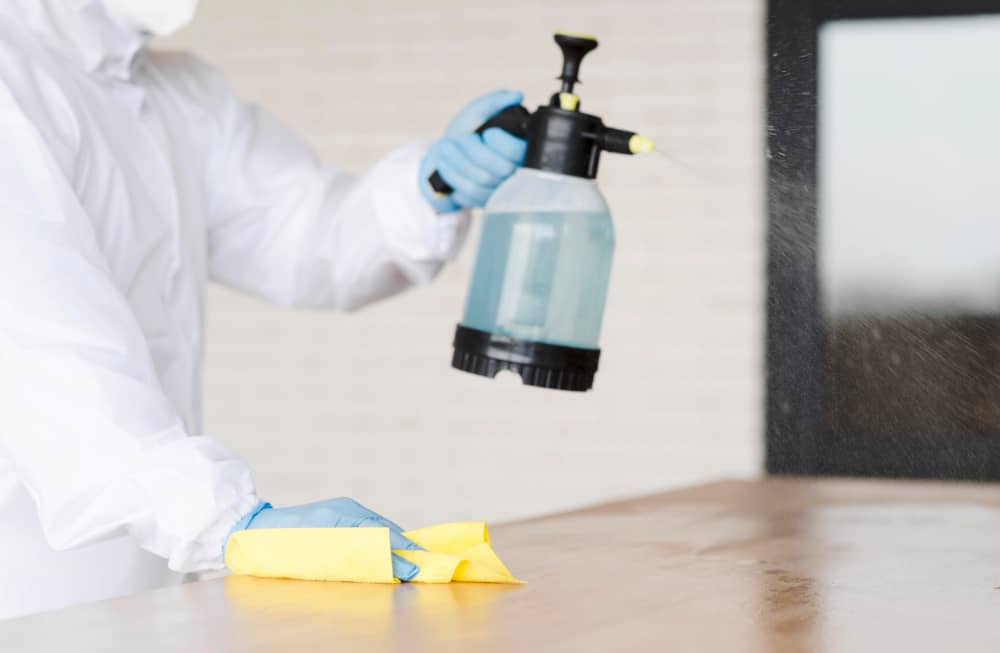
Inspection and Infestation Assessment
A useful inspection is guided by the evidence. The technician may check the attic for nesting materials and droppings, the basement for moisture and foundation gaps, and wall voids for scratching sounds or access points. Kitchens, garages, storage rooms, and utility areas also should be checked.
The goal is to assess the evidence of infestation, not simply count visible mice. A few droppings near a door may indicate recent entry. Droppings in several rooms, repeated sounds, damaged packaging, and nesting materials suggest greater infestation severity.
You should receive a clear explanation of the findings. Ask where mice are active, how they may be entering, what treatment will happen today, and which repairs will help prevent mice from returning.
Humane and Effective Mouse Removal Options
Snap traps remain a widely used option for fast mouse control. Proper positioning, appropriate bait, and regular checking influence results. Traps should stay away from children and pets, and they should not sit where a person may come into contact with them.
Catch-and-release traps may appeal to homeowners seeking humane removal. They require close monitoring and a permitted, proper release plan. A live-catch approach may not address the entry problem, so exclusion and sanitation still matter.
Rodenticide may be considered in some situations, but it carries use and placement risks. Incorrect application can expose pets, children, and wildlife. It may also leave a mouse dying inside a wall, which can create odour and sanitation concerns. Follow the product label and professional instructions.
A combined pest management plan combines inspection, trap placement, sanitation, monitoring, and exclusion. It does not rely on one device alone. This approach focuses on why mice entered and how to remove the conditions that support a mouse infestation.
What Is the Cost Does Residential Mice Control Cost?
Pest service pricing varies because each property has unique requirements. A simple service visit for limited activity may cost less than a more extensive plan involving multiple rooms, difficult access, repairs, and follow-up treatment. Get a written breakdown before work starts.
Typical pricing factors include:
- The square footage of the property and number of affected rooms
- Infestation severity and the amount of evidence found
- Number and placement of entry points
- Required trap positioning and monitoring
- Attic, basement, crawlspace, or wall entry
- Sanitation needs and removal of affected materials
- Whether exclusion work is included
- Need for a later service visit
A small first-visit price may not include gap sealing or later inspections. A larger estimate may cover several visits and broader exclusion work. Check what every service covers rather than comparing only the starting fee.
Ask whether the service visit includes an inspection, control plan, trap checks, written recommendations, and follow-up treatment. Also confirm whether the company charges extra for same-day service, difficult access, or extra devices.
Health-Related and Home Risks of a Mouse Infestation
Mice can contaminate areas and stored food with mouse urine, droppings, spit, and nest material. Food contamination may occur when mice bite through packages or move across counters and pantry shelves. Throw away damaged or open food, then clean affected surfaces using recommended household sanitizing instructions.
Allergens from mouse urine, droppings, and dander can linger in dust. People with asthma or sensitivities may notice increased irritation in areas with high activity. Wear gloves and avoid sweeping or vacuuming dry droppings, which can spread particles into the air.
Disease transmission is another reason to deal with an infestation promptly. The risk depends on exposure, the level of contamination, and the type of organism present. Keep children and pets away from droppings, nests, traps, and soiled areas.
Mice may also affect property. Gnawing can affect insulation, stored goods, drywall, and electrical wiring. Chewed wires may create a shock or fire risk. If you find damaged wiring, avoid touching it and request an inspection by a licensed electrical professional.
How to Keep Mice From Returning
The first step is prevention with closing cracks and securing gaps around pipes, cables, vents, doors, and foundation joints. Use suitable materials for each location. Mice can chew through weak fillers, so a durable repair may require metal mesh, hardware cloth, mortar, or another appropriate material.
Food storage should reduce access. Keep dry goods in sealed containers, remove crumbs soon, and avoid leaving pet food out overnight. Place rubbish in containers with secure lids. Avoid relying on cardboard boxes for long-term pantry storage.
Sanitation supports mouse prevention, but cleanliness alone does not fix structural access. Clean droppings with care, remove nesting materials safely, and wash affected surfaces. Limit clutter in basements, garages, and storage rooms so signs are easier to spot.
Effective exclusion pairs repairs with monitoring. After sealing gaps, check for fresh droppings, new gnaw marks, or continued scratching noises. If evidence remains, the mouse removal plan may need adjustment. A professional pest technician can spot hidden access points and recommend a sensible monitoring period.
DIY Solutions or Professional Mice Control?
DIY mouse traps may help when activity is minimal and the entry point is clear. Set mouse traps along walls and near evidence of activity. Inspect them often, keep them away from children and pets, and observe all safety precautions.
Professional pest control becomes more useful when signs appear in multiple rooms, activity continues after trapping, or mice may be inside wall voids. A technician can check difficult areas, identify the likely route, and coordinate trap placement with exclusion.
A recurring infestation often means that one or more entry points remain open. Replacing traps without addressing those openings may produce temporary results. Professional service can connect mouse removal, sanitation, monitoring, and exclusion work into one plan.
Rodenticide deserves extra caution. Never place it where a pet or child can reach it, and do not use products outside their label directions. If you are uncertain about a product, ask a professional before using it.
What to Expect From a Same Day Service Visit
The process begins with booking. Explain the signs you have noticed, where you found them, and whether you have children, pets, tenants, or restricted areas on the property. Specific details help the company get ready for a same-day appointment.
During the visit, the technician reviews the concern and completes a property inspection. You may be asked to show droppings, sounds, damaged food packages, or suspected entry points. The technician then explains the findings and proposes a treatment plan.
The first visit may include trap placement, limited sealing, sanitation advice, and instructions for monitoring. Some properties need more than one visit because mice may remain hidden or because repairs require separate work. Ask how often traps will be checked and what signs indicate progress.
If a service guarantee applies, read its terms carefully. It may cover follow-up visits for a stated period, but it may exclude new activity caused by uncompleted repairs or conditions outside the service scope. Request the details in writing.
Getting your property ready can make the appointment more useful. Keep open access to cabinets, basement walls, attic openings, utility spaces, and areas behind appliances when safe to do so. Store food securely, keep pets away from treatment areas, and do not move traps after placement unless instructed.
Frequently Asked Questions About Mouse Control
How can I tell if I have mice in my Waterloo home?
Watch for mouse droppings, scratching noises, gnaw marks, chewed wires, nesting materials, and damaged food packaging. Droppings in several areas or repeated nighttime sounds suggest active mouse infestation. A property inspection can identify the likely source and level of activity.
What draws mice to homes in Waterloo?
Mice seek food, water, warmth, and shelter. Open food, pet bowls, leaking plumbing, clutter, insulation, and gaps around pipes or doors can draw mice inside. Better food storage, sanitation, and sealed entry points make the home less appealing.
How quickly can mice infest a house?
Mice can reproduce quickly when they have food and shelter. A small problem may grow before you see a live mouse, especially when activity occurs inside walls or stored materials. Early action against mice limits the time available for nesting and spread.
Are mice dangerous to my family and pets?
Mice can create health and property concerns through contamination, allergens, disease transmission, and damage to electrical wiring. Traps and rodenticide can also harm pets or children if placed carelessly. Keep people and animals away from affected areas and follow professional safety instructions.
What is the best way to prevent mice?
Use a mix of sealing cracks, secure food storage, click here for more sanitation, clutter reduction, and regular checks for new signs. Exclusion work is especially important because it addresses the openings that allow mice inside. If evidence continues, book a professional inspection rather than relying on traps alone.
Should I use traps or call pest control?
Mouse traps may suit a small, clearly located problem. Call a professional pest technician when activity continues, appears in several rooms, involves wall voids, or creates safety concerns. Professional service can bring together trap placement, inspection, exclusion, and follow-up.
How expensive is mice control cost in Waterloo?
Your treatment fee depends on the size of the property, how severe the infestation is, site access, how many entry points there are, trap placement, exclusion work, and follow-up treatment. Ask whether the quote includes the inspection, the fee for same-day service, any repairs, monitoring, and future visits.
How much time does professional mice removal take?
The first appointment can often be completed in one visit for checking the property, treatment planning, and setting traps. Complete mouse removal can take longer because mice in hidden areas may take time to reach traps and some entry points may need repairs. Later inspections confirm whether mouse activity has ended and whether further work is needed.
Report this page